
The fiftieth U.S. state, Hawaii, an overseas territory of the United States, is also the headquarters of the U.S. Pacific Command. On the island of Oʻahu, in Pearl Harbor (Wai Momi in Hawaiian), lies a naval base set in a naturally formed, round bay with Ford Island in the center and a narrow opening to the ocean. Long considered an ideal anchorage for most of the U.S. Pacific Fleet, history proved that neither ideal harbors nor safe times truly exist.
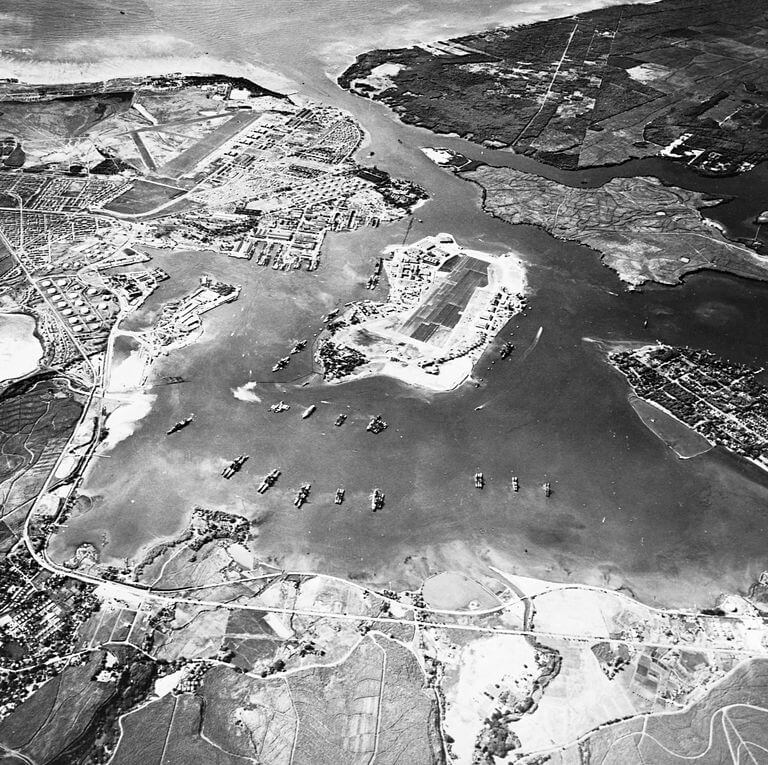
Without a formal declaration of war, on December 7, 1941, Japanese military aircraft attacked Pearl Harbor and brought the previously neutral United States into World War II. The attack by 183 aircraft and the sinking and total destruction of the battleships USS Arizona, USS Utah, and USS Oklahoma had been preceded by an attempt by Japanese midget submarines to break into the harbor itself, though those actions achieved only limited success. The air attack dealt the heaviest blow: it severely damaged or destroyed numerous ships and temporarily secured Japanese supremacy in the Pacific. That day, 21 U.S. Navy ships were damaged or destroyed, about 2,400 people were killed, including 68 civilians, and 1,178 were wounded.
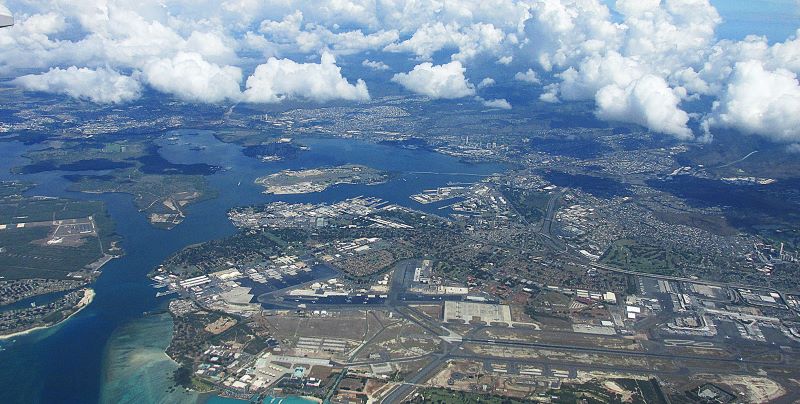
Many Croatians were serving on American warships that morning. The USS Arizona, on which all 1,177 crew members perished, has since been turned into a memorial site open to visitors.
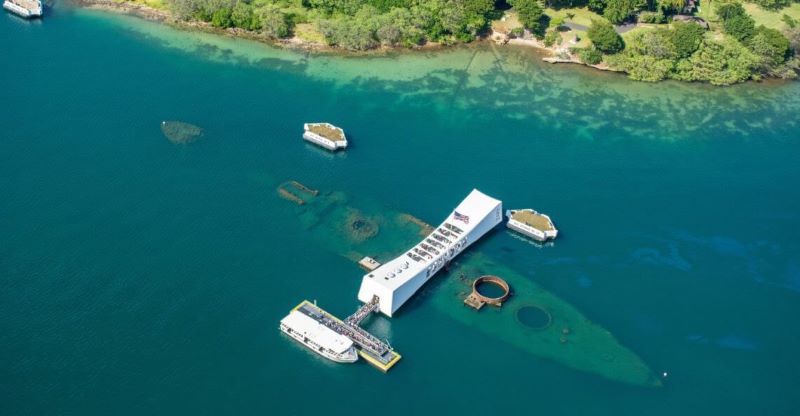
USS Arizona today
Among those who lost their lives on the Arizona was John Claudius Hazdovac, son of Petar Hazdovac, born in Blato on Mljet in 1894, who lived in Monterey in Northern California with his wife and four children. Census records from 1930 list Petar Hazdovac as the owner of The Rainbow Café on Del Monte Avenue; later he and his wife Mamie, née Nielsen, ran the Kimball Hotel.
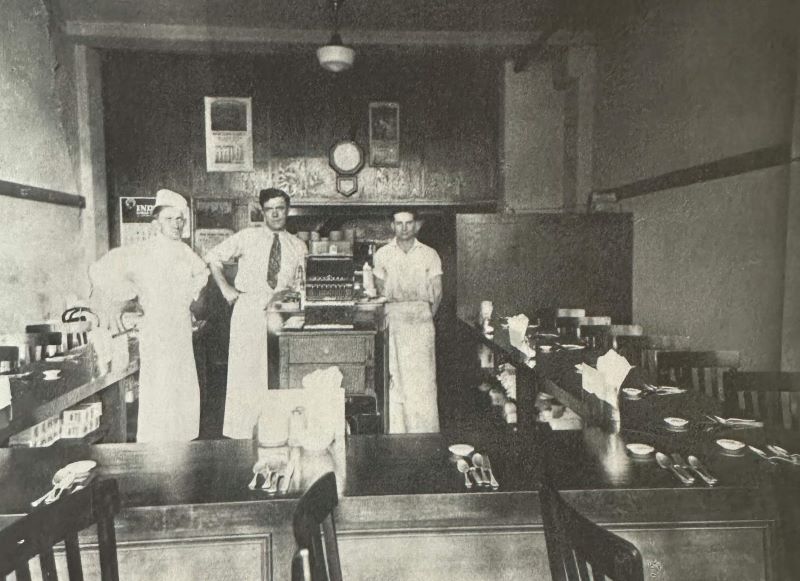
Peter Hazdovac in his Café
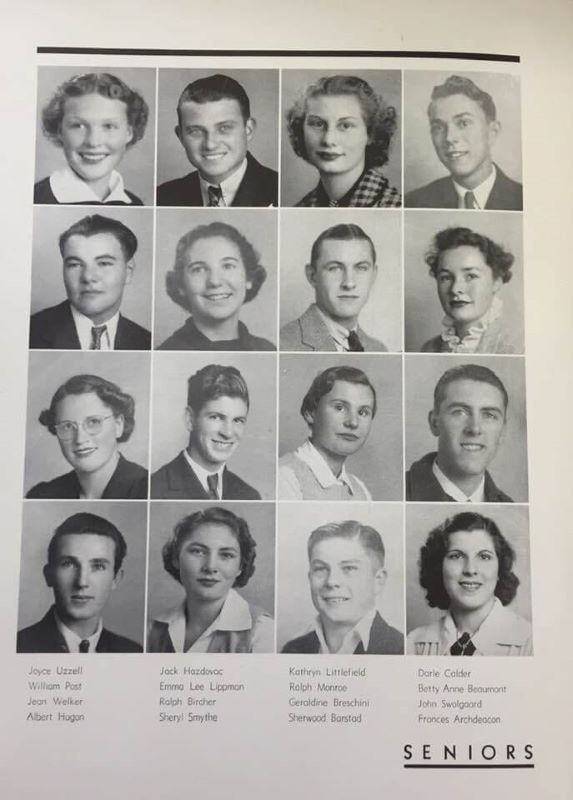
Their eldest son, John Claudius (known as Jack), was born in Monterey on April 19, 1920, and became one of the thousand victims of the destruction of the battleship Arizona. Two childhood friends and relatives—Michael Criscuolo and Tom Trovato—also died with him in the attack on Pearl Harbor. All three grew up in the same neighborhood and attended Monterey Union High School. One by one, they enlisted in the Navy, and on December 7, 1941, they were serving together on the Arizona. Jack Hazdovac was a member of the high school drama group and graduated in 1938. Local newspapers frequently mentioned him as a participant in softball, basketball, bowling, and golf. In 1937 he won a “hole-in-one” contest by stopping the ball 14 inches from the hole; his prize was a $5 golf pass awarded by the city of Pacific Grove. That same year, he placed sixth in an open-water swimming race in Pacific Grove. He enlisted in the Navy in August 1940 and became a Seaman First Class.
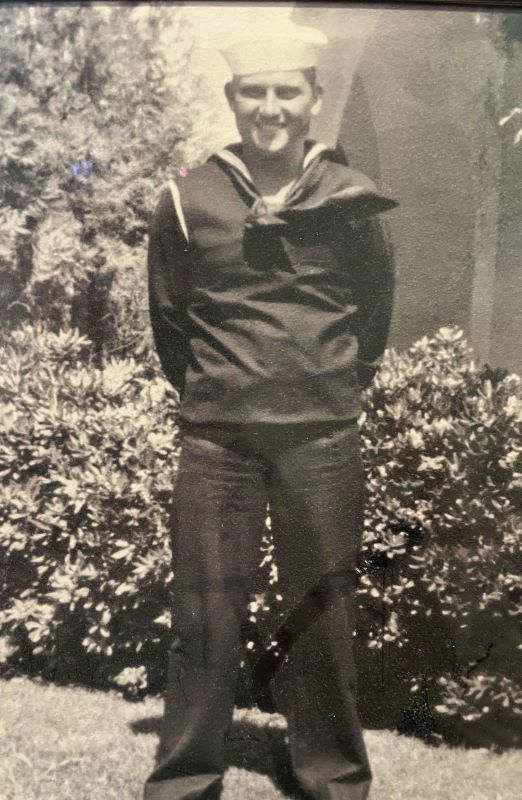
Jack Hazdovac in uniform
Jack’s nephew, John Hazdovac (born 1959), once told a journalist that in the last letter Jack sent home he wrote to his mother “not to worry about him because he was on the biggest battleship of the biggest navy in the world.”
At the end of January 1942, his parents received notice that he was “missing in action,” but they continued to hope that, amid the wartime chaos, it was a mistake. However, the remains of all three young men still lie entombed in the wreck of the Arizona, resting in the silt of Pearl Harbor.
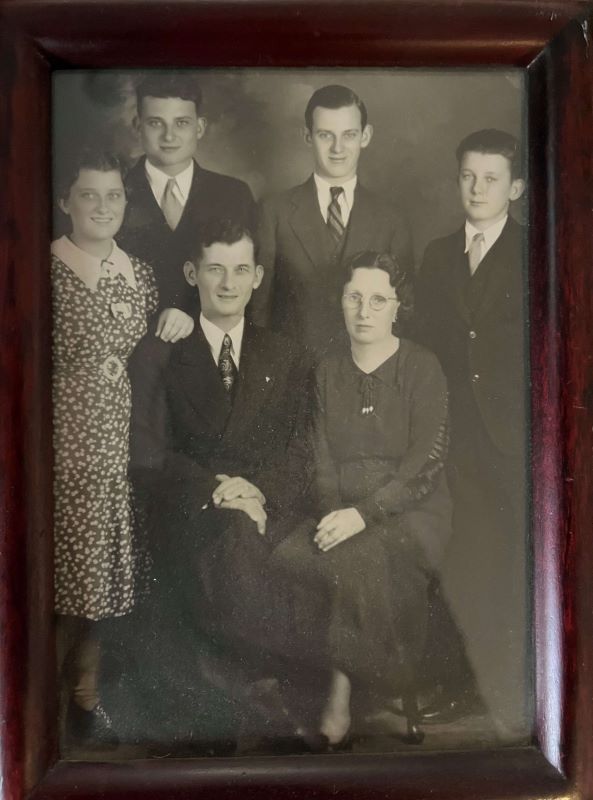
- Hazdovac family photo: From left to right: sister Dorothy (born 1925), Jack (born 1919), brother Paul (born 1921), and brother Pete (born 1923). In the center are father Petar (born 1894) and mother Mamie Nielsen (born 1897).
Information and photographs of Jack Hazdovac were provided by the aforementioned John Hazdovac and Nicole Pickering Hazdovac.
The Hazdovac family traces its roots to Vushko Radojković, a banker from Bosnia who apparently bore the nickname Gazda (the boss), which over time evolved into Hazdovac. According to documents preserved in Dubrovnik, Radojković purchased land in Babino Polje (island of Mljet) on July 26, 1448. Giovanni Hazdovac, Jack’s ancestor, was born there in 1762, as was his brother Matteo, born in 1784, Nicole’s ancestor. After reaching adulthood, Giovanni moved to Blato, where he established the local branch of the Hazdovac family in the 18th century. Jack and her father were fourth cousins, but they remained very close because they all lived in Monterey.
Nicole recalled: “One morning, Jack visited my grandparents, Miho and Kate (Mike and Catherine, née Sestich), to say goodbye before leaving in a day or two. He wore his formal Navy uniform, the so-called Dress Whites, which deeply impressed my father, who was only five at the time. Jack sat at the kitchen table—right in Dad’s seat—which was a special honor. My father Nicholas stood aside, listening and watching the adults talk. Everyone remembered Jack saying, ‘Don’t worry, I’ll be on that beautiful big ship called the U.S.S. Arizona!’ He was very proud and excited to be serving in the U.S. Navy. It’s a sad story of loss, but an important one to remember. Thank you for helping my family’s name to live on in history,” concluded Nicole Pickering Hazdovac.
Hazdovac, however, was not the only Croatian who died on the Arizona.
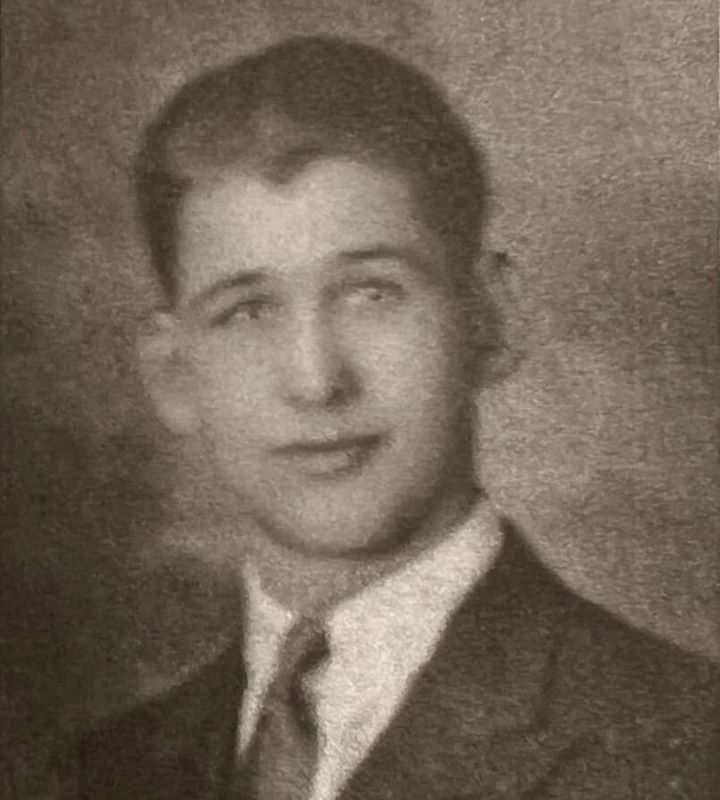
Also killed on the ship were brothers Joseph and Charles Starkovich. Joseph was born in Ronald on February 4, 1915, and Charles in Roslyn on November 3, 1916. Their family moved from the mining town of Roslyn to Bellingham, also in Washington State, where the brothers grew up and enlisted in the Navy in 1940. After their deaths, their brothers Fred and Harry also joined the service.
Charles Starkovich
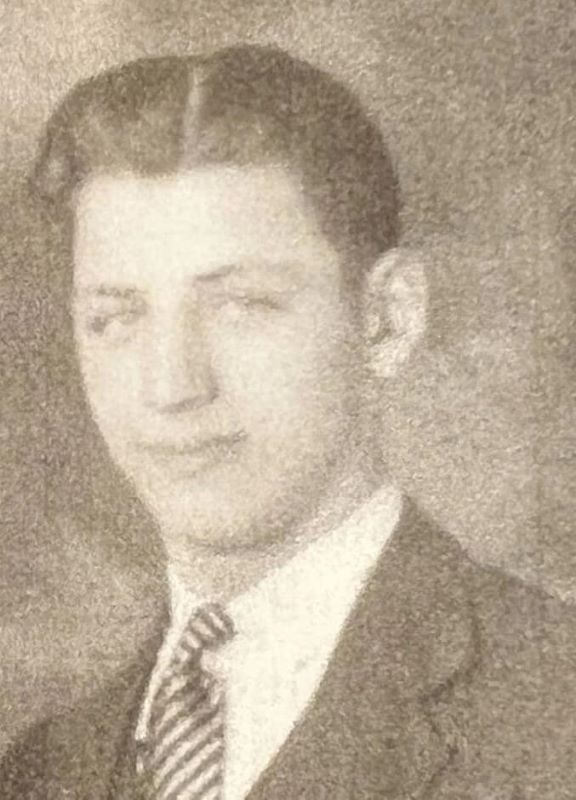
Joseph Starkovich
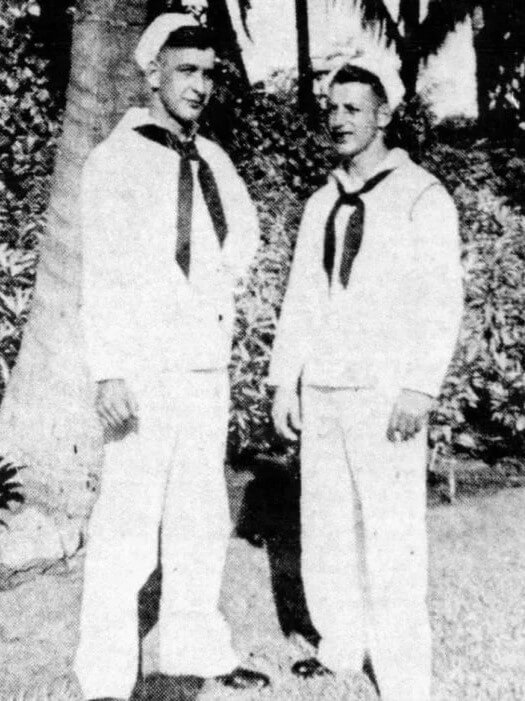
Joseph and Charles Starkovich
Among the Croatian crew members who perished on the Arizona were:
- Joseph John Borovich, Seaman First Class, born December 31, 1918, in Hollister, Northern California, to George and Katherine (née Matulich) Borovich. Tall and athletic, he played football and basketball in high school. A street in Hollister—Borovich Drive—was later named in his honor.
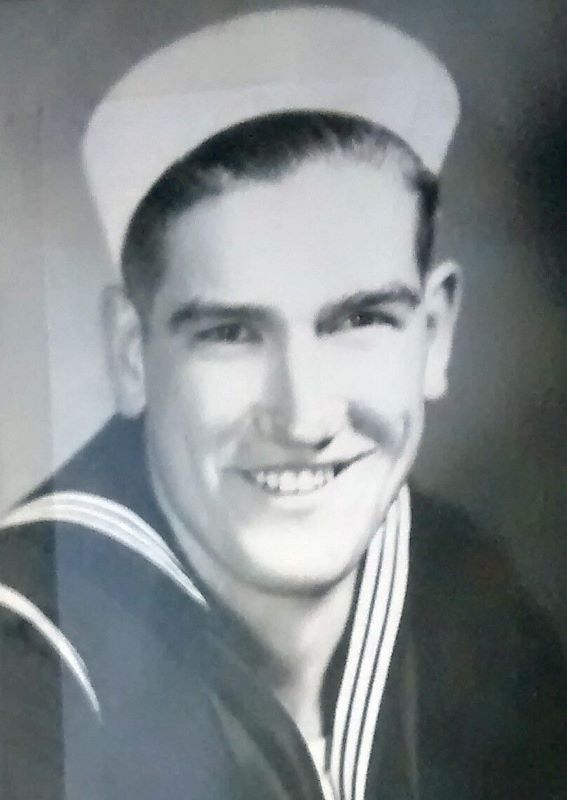
Joe Borovich
- John Kosec, Machinist’s Mate Second Class, born in Ohio on January 14, 1918, to Thomas and Mary. He enlisted in 1937 and was a member of the Arizona’s swim team. He likely never met his son, born in Long Beach two months before the attack.
- Steve Matt Marinich, Machinist’s Mate Third Class, born in the former Yugoslavia on August 6, 1920.
- Joseph Mlinar, Machinist’s Mate Third Class; his remains were never recovered.
- John Petyak, Seaman First Class, born in Wilkes-Barre, Pennsylvania; his remains were also never found. A few days before the attack he sent home a large photograph of himself, which reached the family the same day as the telegram reporting his death. Two of his brothers also served in the Navy and survived—Andrew in the Pacific, and Michael on Okinawa at the time of the atomic bombings of Hiroshima and Nagasaki.
- George Povesko, Seaman First Class from Bridgeport, Connecticut, also listed as missing.
- William Ratkovich, Boiler Tender, born in Colorado on September 24, 1909, to miner Maksimilian and homemaker Ana (née Vladić). He enlisted in 1936. His remains were found and buried at the Honolulu Memorial Cemetery.
Their fate evokes the words of English philosopher Francis Bacon: “In peace, sons bury their fathers; in war, fathers bury their sons.”
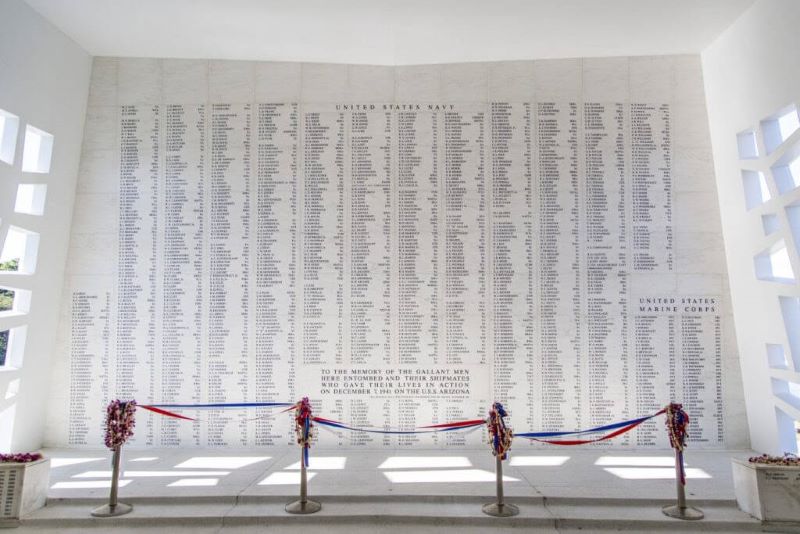
- Memorial plaque for those who died on the USS Arizona: “In memory of the gallant men here entombed and their shipmates who gave their lives in action on December 7, 1941, on board the USS Arizona.”
The Heroic Act of Peter Tomich
At the moment of the attack on Pearl Harbor—though aboard the battleship Utah, which was also destroyed—was Peter Tomich. Born in 1893 in Prolog near Vrgorac as Petar Herceg, with the family nickname Tonić (later turned into the surname Tomich), he was the son of Ante Herceg and Iva (née Tolj). He arrived in America in 1913, joined the Army, and after World War I transferred to the Navy. As a senior non-commissioned officer, he became Chief Watertender on the Utah.
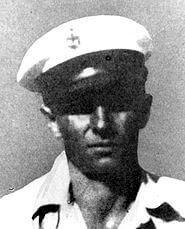 Peter Tomich
When World War II reached Pearl Harbor, the Utah was struck by two torpedoes. Tomich remained in the engineering plant to tend the machinery and prevent the boilers from exploding until most of the crew escaped. While Japanese planes rained bombs on the harbor and the ship listed heavily, Tomich pushed the remaining men toward safety, knowing that a boiler explosion could kill even those already in the water. He himself did not leave. Witnesses said he could have escaped but chose to stay so that a few more men might live. He died when the ship capsized.
Together with 58 crew members out of a total of 1001, he remained trapped in the sunken hull near shore. Next to the overturned wreck of the Utah, still lying askew by Ford Island, stands a memorial plaque describing Tomich’s heroism. It was erected on the 30th anniversary of the attack, when Senator Frank G. Moss expressed hope that future memorials would be dedicated not to war victims, but to people living in peace.
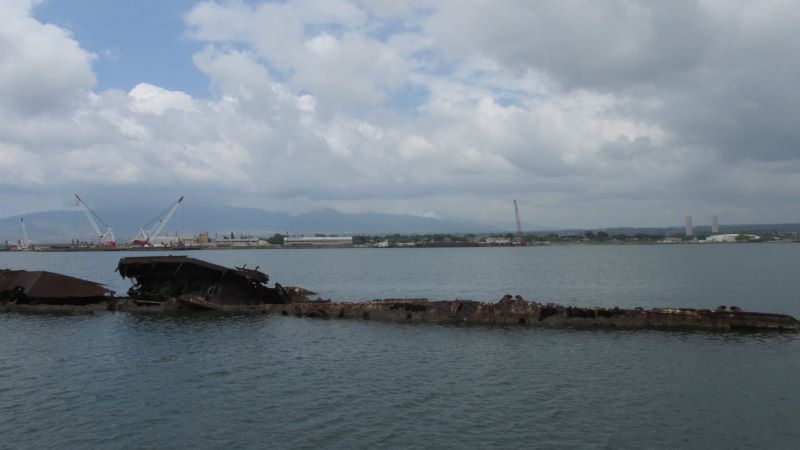
Remains of USS Utah in Pearl Harbor
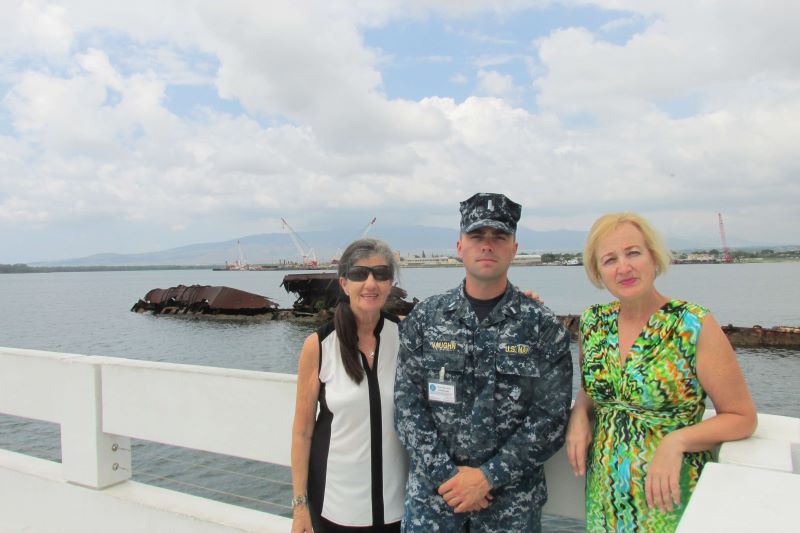
From the left: Gabriela Brajevich from San Pedro, Blake Vaughn and Branka Bezić Filipović
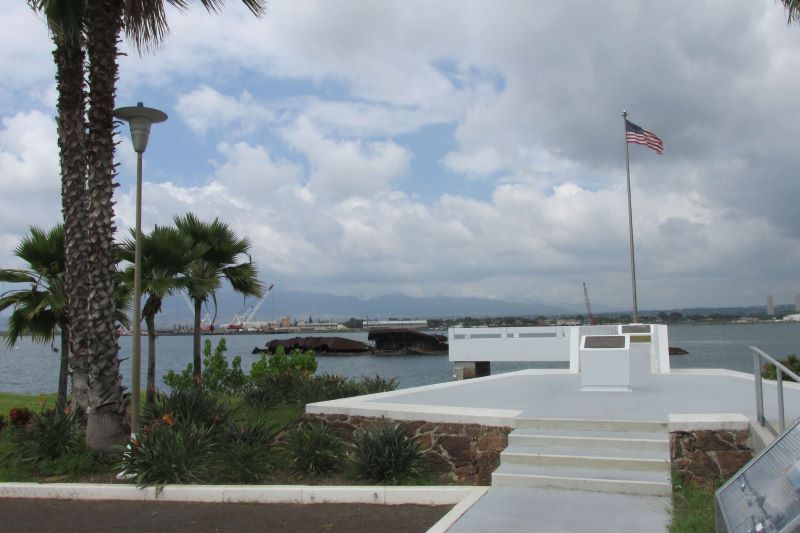
USS Utah memorial
Divers placed an urn containing Tomich’s ashes inside what remained of the ship: the vessel had been his home, duty, and destiny. A year after his death, in 1942, the U.S. Navy launched a ship named USS Tomich from the Brown Shipbuilding yard in Houston. It served for thirty years until being scrapped in 1974.
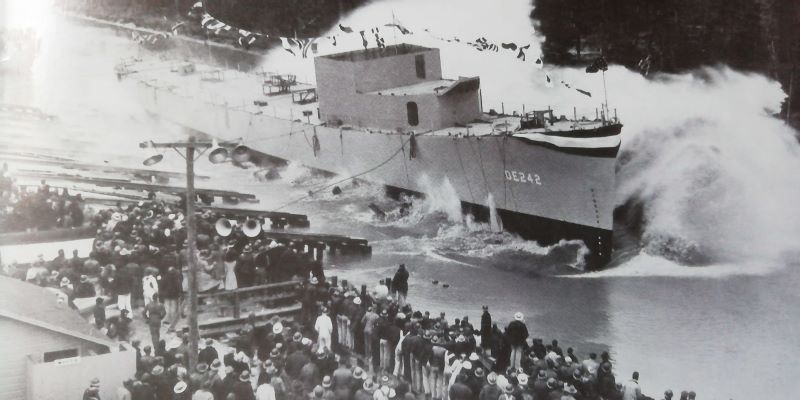
USS Tomich
President Franklin D. Roosevelt posthumously awarded Peter Tomich the Congressional Medal of Honor. In 1989, the Navy built a museum, school, and residence hall named Tomich Hall in Newport, Rhode Island, where the medal was displayed for many years because his family could not be located. Only after his true surname was confirmed was the medal presented to his relatives in Croatia on May 18, 2006, during a visit of the aircraft carrier Enterprise to the port of Split.
Also serving on the Utah that fateful December 7 was radioman George Jurkovich, who luckily survived and left a valuable account of the chaos. Explosions woke him from sleep; when he reached the deck, the ship was already listing and he fell into oil-covered water. A small boat rescued him. In the confusion, frightened and uninformed Americans even fired on their own aircraft from the Enterprise, thinking they were Japanese.
Echoes of Pearl Harbor on the California Coast
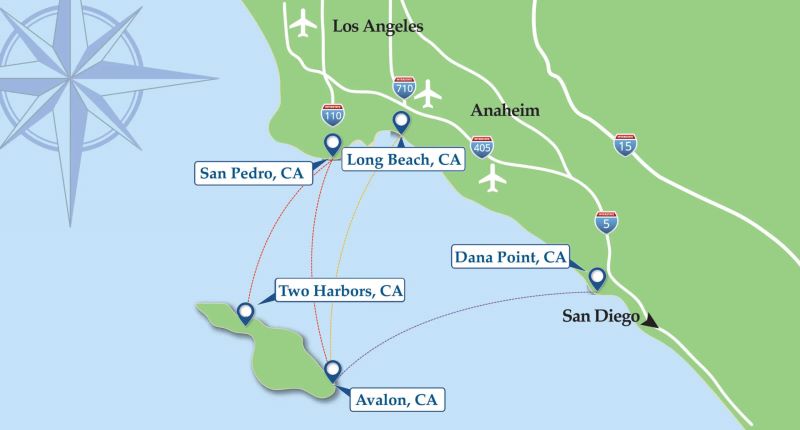
The attack on Pearl Harbor resonated strongly among residents of the California coast, more than 2,500 miles away. Concern was especially high on Catalina Island off Los Angeles, the most exposed point on Southern California’s shoreline. In Avalon, the island’s only town, there was a small but close-knit community of Croatian fishermen.
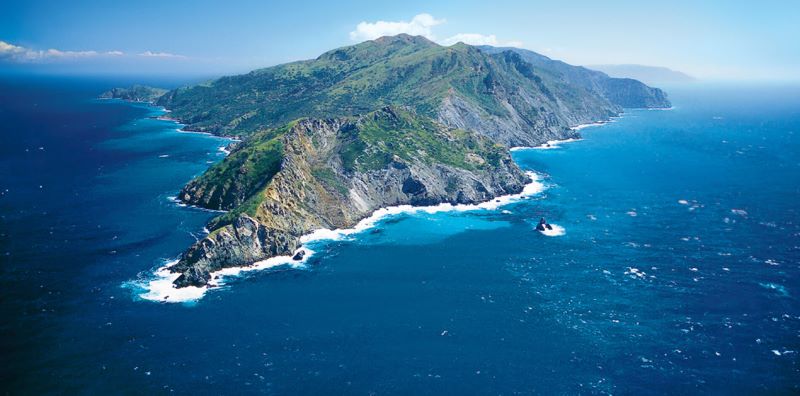
Catalina Island
In 2006, American Bill Pence wrote memories of fishing life and the albacore tuna season from 1942 to 1955, during which his father, Parker, fished alongside Croatians. In his unpublished notes—which I obtained by a fortunate coincidence—he described how the island was gripped by anxiety and readiness after the Pearl Harbor attack:
“The islanders knew that the West Coast was almost completely undefended at that time. The only large ship in the area was the aircraft carrier Saratoga, in dry dock in Bremerton, Washington. Afraid of a possible Japanese landing, men dug trenches in Catalina’s hills, felled trees to block the small airport runway, and practiced nighttime ‘blackouts’ to make the town invisible from the sea.
Fishermen organized nighttime patrols at sea so they could warn the military in San Pedro if danger arose. They chose the fast 36-foot fishing boat Skipjack, captained by Smitty Smith, for the patrols. Armed only with hunting rifles and revolvers, they believed they could overpower small submarines similar to those found in Pearl Harbor.
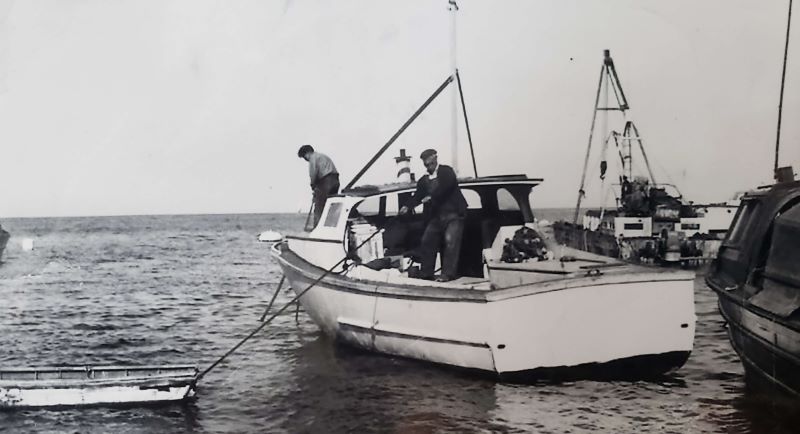
Fishing boat
Around Christmas 1941, a potentially crucial encounter took place. During one patrol, the Skipjack crew saw a bright flash between Catalina and the smaller San Clemente Island. Approaching, they suddenly found themselves between two enormous ocean-going submarines—one surfacing on each side. Skipjack was boxed in, bow facing open sea. When Smitty tried to flee, the submarines matched his speed. Only when he cut his engines sharply, turned, and sped back toward Catalina did the submarines continue straight and disappear into the darkness. Smitty immediately reported the incident.
Two nights later, Avalon’s residents stood in complete darkness on Crescent Avenue, watching searchlights and anti-aircraft fire over San Pedro and Long Beach. They were sure Los Angeles was under Japanese attack. The next day, it became known that a Japanese submarine—likely one of the two Skipjack encountered—had boldly entered San Pedro harbor and shelled a tanker anchored at Terminal Island. When Americans saw the explosion, they assumed it was an air raid and fired into the sky, allowing the submarine to escape. The following night, the same submarine attacked and set fire to a small oil refinery in the Santa Barbara Channel and was seen from the shore.
Although the press did not report these events, many along the West Coast learned of them by word of mouth. Fishermen remained fearful for months, until it gradually became clear that an attack on California was unlikely.”
Three Croatians with U.S. Navy Ships Named After Them
During World War II, in addition to the USS Tomich, two more Navy ships were named after Croatians. USS Francovich was named after Albert Anthony Francovich, born in Shamokin, Pennsylvania, in 1920. He was an aviation machinist and was killed in 1942 during the Solomon Islands campaign, in the Battle of Guadalcanal. He was posthumously awarded the Navy Cross.
In the same battle, Milton Frank Pavlic—born in Trieste in 1909 and serving as a senior lieutenant—also lost his life. In 1943 a ship was named USS Pavlic in his honor.
Other Croatians on U.S. Warships
According to U.S. Navy records, the following servicemen of Croatian descent served on Navy vessels during World War II:
- On surface ships:
- Charles J. Zorich, signalman responsible for visual communications—a specialty retired in 2033 due to advances in electronic communication. He served on a destroyer in the Solomon Islands.
- Joseph Buzolic, Boatswain’s Mate, from a Croatian family in Chicago; served in Atlantic convoys.
- Frank Barich, torpedoman of Lika heritage; served on destroyers during the Battle of the Philippine Sea.
- On submarines:
- Nicholas Skoric (Škorić), machinist, aboard USS Gudgeon, which was lost in 1944.
- John F. Pavich, torpedoman on USS Seawolf.
- Peter Vlahovich, radioman on USS Wahoo, one of the most famous U.S. submarines.
- In naval aviation:
- Robert J. Luketich, lieutenant, F4F Wildcat pilot; served in the Guadalcanal operations.
- Anthony Lovrincevich, ensign, torpedo bomber crewman on the TBD Devastator; survived the Battle of Midway.
- In the medical corps, construction battalions, and other units:
- Michael M. Kovac, physician, served in the Pacific.
- Marko M. Radosevich, participated in the construction of the Okinawa airfield.
This is just a fragment of a vast historical drama and a testament to the brave and tragic destinies of people of Croatian descent whose lives became interwoven with the global conflicts of the 20th century—whether on oceans, in harbors, or in distant fishing communities along the American coast.
Their medals have faded, the telegrams announcing their deaths have yellowed, but their memories live on in the hearts of their families—even among those who never had the chance to meet them.
Author: Branka Bezić Filipović